




It is not only people who have a healthy smile. Our pets need clean teeth too. Most pet owners are unaware that pets can also experience issues with their tooths as human beings do.
A pet with a sore mouth can hurt and cause difficulty in eating and even impact on the entire body.
This guide will assist you to understand the Common Dental Problems in Pets, identification of signs of dental disease in pets as well as how to maintain the cleanliness of your pet mouth. To get more useful tips, you may go to Animals Pet Health.
Why Pet Dental Health Matters So Much
More Than Just Bad Breath
The first thing to notice is that the breath is bad. Although other individuals believe that animals have smelly breaths, this is not the case.
The bad smell of the breath of a pet may indicate that the germs are developing in the mouth. These germs create plaque and tartar which cause painful problems of the mouth.
How Dental Problems Affect Their Whole Body
Problems of the mouth do not remain there. Germs can spread to the heart, kidney and liver when transmitted via blood. It may cause severe health conditions.
A pet that is in pain of its tooth will also refuse to eat, will not play as much, or will be sad. This is the reason why keeping your pets healthy is a very crucial issue in taking care of their mouths.
Common Dental Problems in Pets
Plaque and Tartar: The Sticky Stuff
A thin layer of bacteria that is formed on the teeth following the feeding of the pet is known as plaque. Unless the plaque is removed, it becomes hardened into tartar.
Tartar is yellow and rough. It gets lodged beneath gums and irritated gums. After the formation of tartar, a vet is required to remove it through a dental cleaning.
Gum Disease: Ouchy Gums
Gum disease occurs when the teeth are left in the presence of too much plaque and tartar. Gums swell and turn erythematous and painful. Pets having gum disease might bite and shed blood as well as may refuse to eat or chew on kibble.
In case gum disease becomes progressed, teeth may become loose or fall out. It is a dental issue that is most prevalent among pets and yet one of the simplest to avoid.
Broken or Loose Teeth: When Playtime Goes Wrong
Dogs are fond of chewing yet when they chew very hard objects, the teeth may be broken.The bones, rocks or hard toys can crack the tooth.
Cats also tend to break the teeth when they are playing or hunting. Vet should always check broken teeth.
Bad Bites: Teeth Not Lining Up
There are pets with teeth that do not match in the correct manner. This is termed as a bad bite or malocclusion. There is bad bite which makes chewing difficult and may lead to the teeth striking the gums or the roof of the mouth.
This is a problem that vets can inform you of when conducting a dental checkup.
Signs of Dental Disease in Pets
Smelly Breath: A Big Red Flag
When the breath of your pet is smelly than usual that could be an signs of dental disease in pets of growing bacteria. A dental problem may first manifest itself through bad breath.
Changes in Eating Habits: Hard to Chew
A pet with teeth ache can either chew on one side, drop the food or chew slowly or refuse to feed on crunchy food. This is a positive pointer that chewing is painful.
Paw-sitive Clues: Rubbing the Face or Mouth
Pets put their mouth against the furniture or scratch their mouth when they experience mouth pain. This is attempting to make them feel better.
Grumpy or Quiet: When Pain Changes Behavior
Pets behave differently when it is painful. They can conceal themselves or sleep or be cross. They also can lose their interest to play with their favorite toys. Behavior change usually implies that something is painful, and it can be their teeth.
Keeping Your Pet’s Teeth Healthy: Simple Steps
Brushing Their Teeth: Easier Than You Think
It is possible to prevent a lot of issues by brushing the teeth of your pet a few times per week. Apply a toothpaste as well as a toothbrush that is pet safe.
Human toothpaste can be harmful, therefore never use it. Start slowly. Allow your pet to taste the toothpaste. then stroke softly round about. Maintain short sessions, which are quiet. This becomes easy with practice.
Dental Chews and Toys: Fun and Functional
Pets chew and play with dental chews cleaning up their teeth. Buy dental chews and never leave your pet without supervision as it chews.
Regular Vet Visits: Your Pet’s Dental Check-up
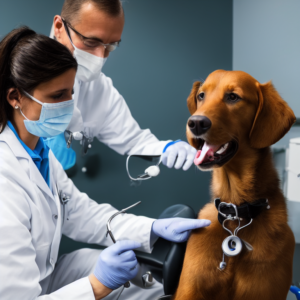
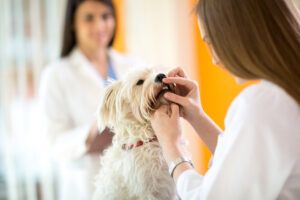
Your vet is able to identify signs of dental disease in pets in early stages. A dental check-up involves the check-up of teeth, gums, and mouth. A lot of pets require a professional cleaning to clean up the tartar as well.
Special Pet Foods for Healthy Teeth
There are certain foods meant to keep the teeth clean. These are crunchy foods that aid in scraping off the plaque. See whether a dental diet is appropriate to your pet or not, ask your vet.
Conclusion
At the end you will get all the information about Common Dental Problems in Pets. Checking the teeth of your pet is a simple measure so that you can keep him or her healthy and happy.
Through brushing, safe chews, healthy food and frequent visits to the vet, your pet will have a pain free and clean smile most of the years.
To find additional beneficial advice on pet keeping, go to Animals Pet Health.
Faqs
What are the most prevalent issues of pets with the dentist?
Plaque, tartar, gum diseases, tooth breakage and impossibility of lining teeth are the most common dental issues with animals.
Anything I can know to have a dental problem in my pet?
There is possibility of bad odor, can hardly chew, swollen gum, loose teeth, rubbing the face and change in behavior.
What is the number of times to brush the teeth of the pet?
The pets are supposed to be brushed at two or three times in a week. Still better do you brush something daily.
Do dental chews possess value to pets?
Yes. Dental chews can be used in eliminating the plaque and keeping the pets mouth clean. Always select dental healthy chews.
How often does my pet should visit a vet to have its teeth checked?
With a stinking pet, sore gums, or one that does not want to eat properly, you are supposed to visit the vet immediately.