






One of the most prevalent health issues of today pets is dental disease in dogs and cats. Most pets die in silence as their problems with their teeth are not easily noticeable.
Being a responsible pet parent, you would like to prevent your pet suffering, getting infections, and having other long-term health risks.
Luckily, you can make simple steps to maintain the health of your pet teeth in case you have the appropriate knowledge.
At the Animal Pet Health, we facilitate you to know the needs of your pet in a simple and clear manner.
The causes, signs, prevention tips and treatments of dental disease in dogs and cats will be shown through this guide to make sure that you can take some action before the issues expand.
Understanding Dental Disease in Dogs and Cats
The development of the dental disease in dogs and cats occurs when the bacteria accumulate in the mouth of your pet.
Eventually, the plaque and tartar develop and produce irritation. When you do not pay attention to this accumulation, then it results in gum inflammation and infections.
Dental disease in dogs and cats are prevalent since they are unable to clean their teeth. In case the food particles are left on the teeth, the harmful bacteria multiply at a high rate.
You can avoid severe issues with your dentists once you are aware of them and take action. This has the added benefit of ensuring that your pet is more comfortable and has improved long term health.
Why Dental Disease Is Common in Dogs and Cats
The dental disease common in dogs and cats. First of all, food particles attach to teeth and create plaque. Moreover, not all owners brush their teeth as they do not know how to do it.
When the plaque becomes hardened into tartar, it is not easy to clean it without a professional cleaning.
Cats cover pain and hence the owner may not know that there is a problem till it becomes severe.
Signs of Dental Disease You Should Never Ignore
Dental problems can be detected at an early stage by observing simple symptoms. For example, look for:
- Halitosis that does not resolve.
- Brown or yellow deposition on the teeth.
- Trouble in mouth swallowing or loss of food.
- Pawing at the mouth
- Chewing pain contributes to loss of weight.
You should visit a dentist in case you observe any of these symptoms.
How Dental Disease Affects Your Pet’s Health
Dental disease does not only impact on the smile of dogs and cats. Mouth harmful bacteria may be transferred to the blood and spread to major organs. Thus it can cause heart issues, kidney disorders and liver complications.
In cases where the mouth of your pet is in some pain the animal will refuse to eat or move as much. This is due to the fact that they behave differently due to discomfort.
You have your pet safe against all the illnesses that might occur in the future just by taking care of their teeth.
Benefits of Treating Dental Disease in Dogs and Cats
Dental disease has significant health benefits. As an instance, your companion is breathing fresher, having stronger teeth and being more comfortable.
You also lower the risk of the infections and enhance appetite. The best thing is that you make your pet live a long and healthy life.
Simple Prevention Tips You Can Start Today
Brush Your Pet’s Teeth Regularly
Brushing the teeth of dogs and cats on a daily basis is the best method of preventing dental disease. You must take your time and get used to your pet and make it feel safe.
You must reward your pet after brushing him or her to help him or her to relax so that they can do the same again.
Choose Dental Treats and Chews
Dental chews will assist in the reduction of plaque as well as providing something to chew on to your pet, which is pleasurable.
Schedule Annual Dental Checkups
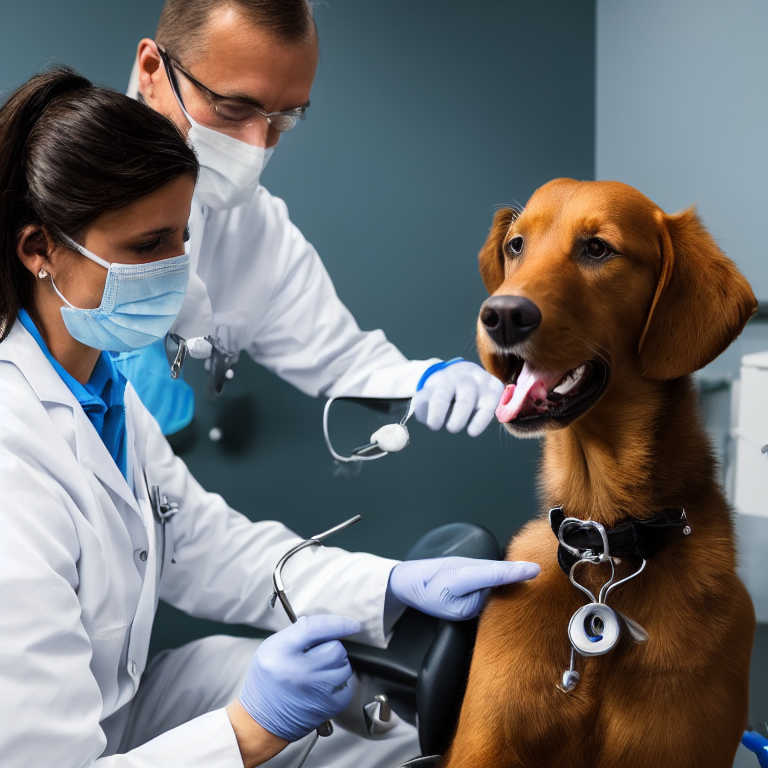
Your veterinarian is able to detect the onset of dental disease at an early stage before it is severe.
Moreover, an annual check up shields your pet against injury that you are unable to identify back at home.
Offer Healthy Food Choices
Select dental health supporting pet food. Hard kibble can be used to remove soft accumulation of plaque. It is an easy decision that enhances dental care with no additional input.
Professional Cleanings
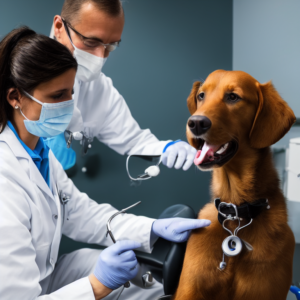
When tartar is too hard to brush, your vet can suggest that the dentist cleans it professionally. Professional cleanings ensure that the gums of your pet are healthy, and their mouth is totally healthy.
Treatment Options for Dental Disease
When a dental disease is acquired, treatment during its early stages is significant. The first one is that your veterinarian can prescribe an in-depth cleaning to get rid of the plaque and tartar above and below the gumline.
Antibiotics are useful in curbing infection in certain instances. Lastly, your vet will also advise you on how to take good care at home so that the disease does not reoccur.
Final Thoughts
The reason is that dental disease in dogs and cats are susceptible, which can be prevented in case you know about it and take the relevant steps.
In a word, a pet with good teeth is a happy, active and energetic animal. Your work is what is really making a difference in their life.
To get more tips and professional advice, refer to Animals Pet Health to get more information
Faqs
Why is the pet getting the dental disease?
The start of a dental disease is the deposit of plaque. The bacteria consist of food particles that make up tartar. This brings about gum irritation, infections and damage of teeth in the long run.
How often does the pet get the teeth brushed?
Try to brush daily. To be able to sustain the progress, make efforts to brush up at least three times per week in case brushing up every day is not an easy task.
Should my pet get a dental checkup? How often?
At least once a year, a pet has to visit the dentist. The pets that are already older or have some dental problems can also require additional visits.
Is the dental disease going to impact on the overall health of my pet?
Yes. The bacteria can even carry into the blood, and can cause the death of the heart, liver and kidneys, even the dental. So healthy teeth are preventive measures of the entire body.
But what do you think, my pet does not like to brush?
Start with simple things and use flavored toothpaste on pets. It can also use dental chews or rinses or wipes that have been prescribed by your veterinarian.